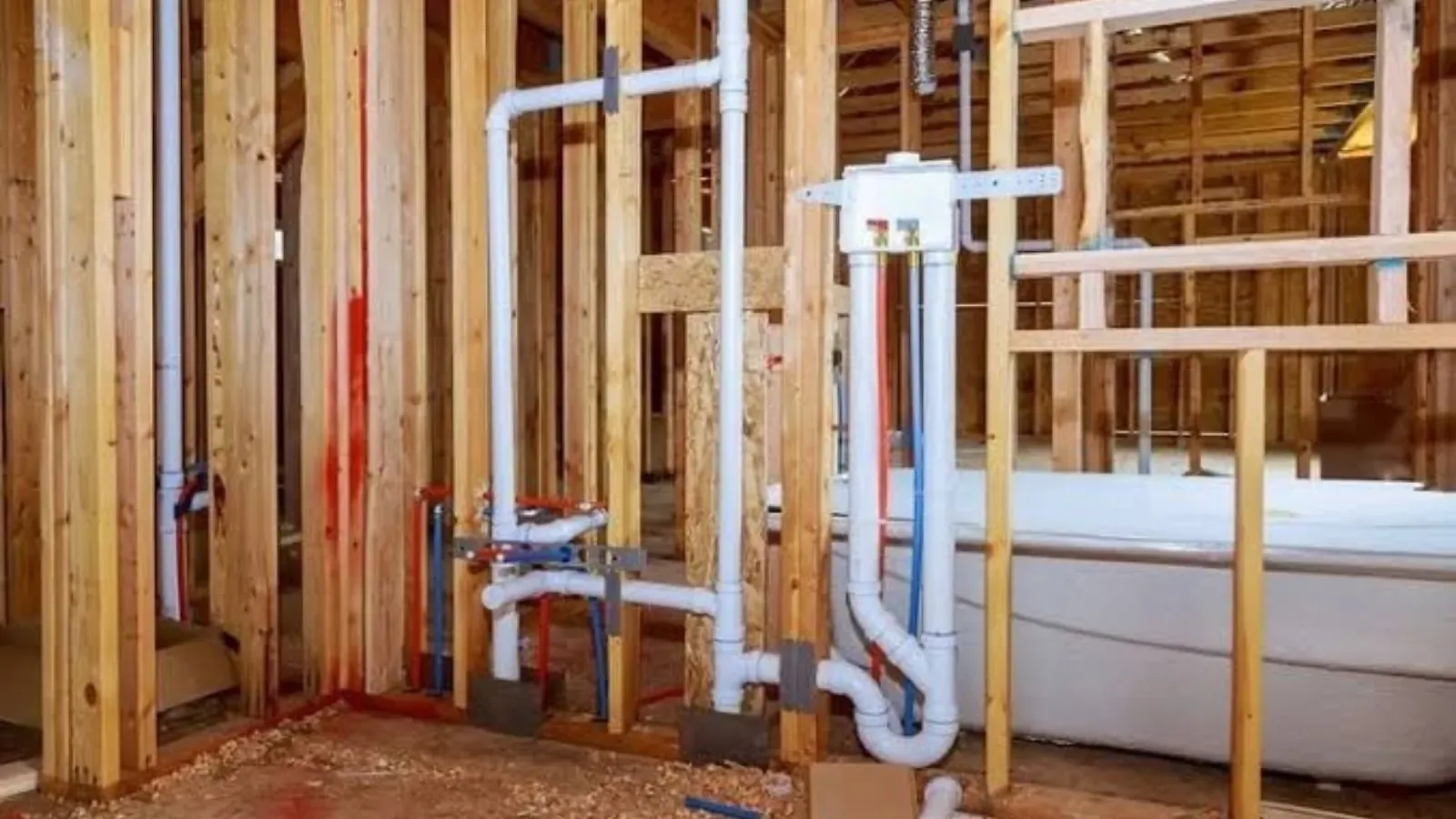
Codes, Permits and Inspections in Crowley
Crowley uses the 2021 International Plumbing Code. It also adopted the 2021 International Residential Code and the 2021 International Fuel Gas Code, with local amendments posted by the city. Our installs are built to those editions, so pipe sizing, venting, fixture clearances and gas connections match what the inspector will check.
Permit rules vary by project, so ask the Crowley building department whether yours needs one. The Community Development office is at 201 East Main Street, and the permits line is 817-297-2201 extension 3000, with inspection requests at extension 3020. Hours are Monday through Thursday from 7:30 am to 5:30 pm and Friday from 7:30 am to 11:30 am. Applications can also be filed through the city's MyGov portal.
What We Install
Most jobs fall into one of these categories.
Fixtures and fittings
Sinks, vanities, tubs, showers, toilets, hose bibs and washer boxes. We match the supply stops, drain traps and shutoffs to the fixture. For repairs on existing ones, see faucet repair and toilet repair.
Water heaters and appliances
Gas and electric tanks, tankless units, dishwashers, ice makers and disposals. We handle the venting, expansion tank, pan and drain. Larger jobs go through water heater installation.
Gas lines
Stub-outs for ranges, dryers, grills, fire pits and generators. Every line is pressure tested and checked for leaks before it is put into service.
Backflow and irrigation
Vacuum breakers and reduced pressure principle devices protect your drinking water from irrigation and chemical lines.
Sump and ejector pumps
Pumps with check valves and sealed lids for low spots, below-grade baths and laundry rooms.
New construction and additions
Underground rough-in, top-out and final trim for new homes, garages, guest suites and bathrooms.
Common Projects and What to Ask the City About
This is a planning aid, not a permit guide. When you are unsure, call the building department before work starts.
| Project | What the plumber does | Ask the building department |
|---|---|---|
| New bathroom or half bath | Rough-in drains, vents and supply lines, then set fixtures after drywall. | Permit and inspection stages for rough-in and final. |
| Gas line to a range, grill or dryer | Run and size pipe, add a shutoff, pressure test and leak check. | Permit and inspection requirements for fuel gas work. |
| Water heater swap | Remove the old unit, install the new one with a pan, T&P discharge and expansion tank where needed. | Permit rules vary, so ask. |
| Backflow device on irrigation | Install the correct device and test it. | Whether a test or registration is required. |
| Relocating fixtures | Move drain and vent lines to code slopes, with new supply stubs. | Permit and inspection for altered drains and vents. |
Permit rules are set by the City of Crowley. We do not guess on them.
Low Water Pressure: An Install Problem as Often as a Repair
Weak pressure at one fixture is usually a clogged aerator or cartridge. Weak pressure everywhere points to something upstream: a partly closed main valve, an undersized line, a failing pressure regulator or corroded galvanized pipe. Crowley water runs at 6 to 9 gpg hardness, and scale narrows old galvanized lines year after year.
A plumber measures static pressure with a gauge threaded onto a hose bib. Typical household pressure sits in the range of 40 to 80 psi. Based on the number, we may replace the regulator, resize a branch or recommend repiping if the pipe itself is the limit. Whole-house filters can also drop flow, so we check them first.
Remodel or New Construction: How the Plumbing Differs
The work looks similar on paper but runs very differently on site.
Remodel and additions
- We work around finished walls, existing slab and live water lines.
- Existing drains may need cutting into the slab for a new bathroom.
- Tie-ins to older pipe may call for transition fittings.
- The water is shut off for part of the day while we connect.
New construction
- Underground rough-in happens before the slab is poured, so layout mistakes are costly later.
- Top-out comes after framing, with vent and supply runs through open studs.
- Final trim sets fixtures after drywall and paint.
- Local IPC Section 306.2.4 calls for underground plastic drain to sit on 4 inches of granular bedding with 85 percent standard proctor compaction.
Planning a plumbing project?
Call and a licensed plumber will talk through scope and give a clear price before work starts.
Gas Line Install and Inspection: Safety First
Gas work follows safety-first rules. A gas line is sized for the total BTU load of every appliance on it, run with approved pipe and fittings and pressure tested before anyone lights a burner. If you ever smell gas, leave the building and call the gas utility or 911 first, then call a plumber.
Before a new line goes live, we check each joint with leak solution and confirm that shutoffs are accessible. For homes where a line has already been added by someone else, a gas line inspection can confirm sizing, supports and connections. We do not promise an inspection date, since that is set by the city.
How an Install Project Runs
Planned work follows a predictable order.
Walk the site and discuss the scope.
We look at where fixtures will go, how the existing lines run and what shutoffs and access points are available.
Agree on the price.
You hear a clear price before work starts, along with notes on permits and anything that could change the scope.
Rough in and test.
Pipes go in, we pressure test the supply and water test the drains, and the inspector signs off where required.
Set fixtures and finish.
We connect fixtures, check for leaks, clean up and show you the shutoffs. Before we leave, we make sure everything flows and drains.
What Affects the Cost of a Plumbing Installation
Price depends on the scope, so we describe the job before we give a number.
Planned installs are normally paid out of pocket. Homeowners insurance usually covers sudden and accidental damage, not upgrades, so check with your carrier if a failure led to the project.
Sump and Ejector Pumps, Backflow and Other Add-Ons
Texas homes with low spots, below-grade baths or detached garages sometimes need a pump. A sump pump moves groundwater out of a pit. An ejector pump lifts wastewater from a below-grade bath up to the sewer line. Both need a check valve, a sealed lid and a dedicated circuit.
Irrigation systems need a backflow device. Local IPC Section 608.17.5 says no valve may be placed downstream of an atmospheric vacuum breaker on lawn irrigation, and chemical injection needs a reduced pressure principal backflow preventer. We install them to those rules. Restaurants and shops with grease traps are covered under commercial plumbing.
Plumbing Installation Questions
Yes. We serve Crowley and nearby towns, including Burleson. Call and we will schedule a visit, and our line is open 24/7 if you need to reach us.
It depends on the work. Replacing a faucet is usually different from moving drain lines. Permit rules vary, so ask the Crowley building department at 817-297-2201 extension 3000.
Crowley has adopted the 2021 International Plumbing Code, the 2021 International Residential Code and the 2021 International Fuel Gas Code, along with local amendments. Our work is built to those editions.
Yes. Gas lines are sized for the load, pressure tested and checked for leaks before use. If you ever smell gas, leave the building and call the gas utility or 911 first.
Common causes are a partly closed main valve, a failing regulator, a clogged filter or corroded galvanized pipe. We measure static pressure with a gauge to see which it is.
A sump pump removes groundwater from a pit. An ejector pump lifts wastewater from a fixture below the sewer line, such as a basement bathroom. They look similar, but the pumps and codes are different.
Yes, irrigation systems need backflow protection. Local code requires correct placement of vacuum breakers and a reduced pressure principal device for chemical injection. We can install and test the device.